






What is Ostropologe?
Ostropologe, a term derived from the Greek roots ‘ostron’ meaning bone, and ‘logos’ meaning study, denotes a unique discipline dedicated to the comprehensive analysis of bones within various scientific contexts. This field encompasses a multitude of academic areas including archaeology, anthropology, and biology, making it a pivotal branch of study for understanding human and animal evolution, health, and culture.
The origins of ostropologe can be traced back to early human practices, where bone artifacts were often utilized in everyday life, signaling a tangible connection between humans and their environment. Over centuries, as societies evolved, the study of bone became essential for uncovering historical narratives and cultural practices, thereby establishing itself as a distinct academic discipline. Notably, the development of ostropologe can be linked to significant archaeological findings, where researchers analyze skeletal remains to glean insights into past civilizations, health trends, and dietary habits.
In contemporary studies, ostropologe plays a crucial role in various practical applications. It finds relevance in forensic science, where forensic osteologists apply knowledge of human skeletal anatomy to assist in criminal investigations, identify remains, and provide important clues regarding cause of death. Furthermore, the discipline enhances our understanding of prehistoric human behavior and adaptation, informing disciplines like anthropology and primatology. Key figures in the evolution of ostropologe, such as renowned archaeologists and anthropologists, have greatly contributed to its methodologies and frameworks. Their work has led to landmark discoveries that have significantly refined our comprehension of both historical and biological narratives.
Through its interdisciplinary nature and diverse applications, ostropologe continues to be an essential field of study that bridges gaps between the past and present, highlighting the intricate relationships between bones, culture, and human development.
The Methodologies of Ostropologe
Ostropologe, as a multidisciplinary field of study, employs a diverse array of methodologies to explore its subjects. Researchers in this domain often utilize both qualitative and quantitative approaches to gather, analyze, and interpret data effectively. The integration of these methodologies allows for a comprehensive examination of the phenomena related to ostropologe, providing nuanced insights that can transcend traditional academic boundaries.
Qualitative research methods, such as interviews, ethnographic studies, and content analysis, enable scholars to delve deeper into the cultural, social, and historical contexts that define their topics of interest. By employing these methods, researchers can gather rich, descriptive data that captures the complexities of human behavior and societal interactions relevant to ostropologe. On the other hand, quantitative approaches, including surveys and statistical analysis, provide a framework for measuring and validating patterns in data, establishing correlations, and enabling comparative studies within the field.
Data collection strategies in ostropologe are crucial for the integrity of findings. Combining various data sources, including archival records, field observations, and digital repositories, enhances the robustness of the research. Researchers in this field often collaborate with practitioners and experts from adjacent disciplines, fostering interdisciplinary exchanges that enrich the methodologies used. This collaborative spirit is paramount, as it not only expands the resource pool for data collection but also encourages diverse perspectives that can illuminate complex issues.
Case studies play a pivotal role in demonstrating these methodologies in action. For instance, a study examining the impact of social movements in historical contexts showcases how qualitative methods can uncover the motivations and experiences of individuals involved. Alternatively, a quantitative analysis of demographic trends can reveal broader societal shifts, further aiding our understanding of ostropologe. Through the application of these methodologies, researchers continue to unlock new dimensions of knowledge within this unique field.
Recent Developments and Trends in Ostropologe
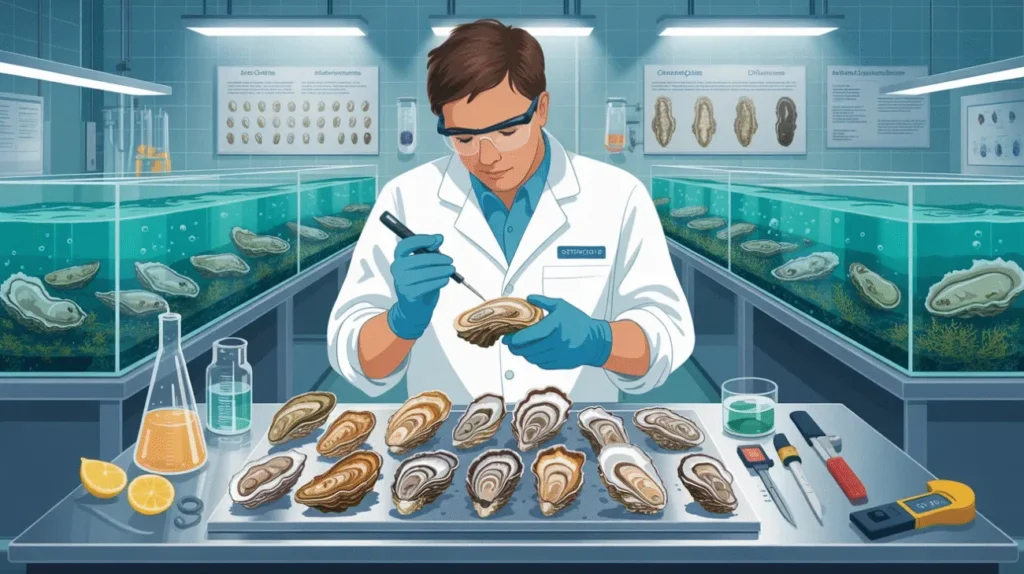
The field of ostropologe has seen significant advancements in recent years, largely driven by the integration of technology, shifts in globalization, and evolving societal dynamics. One of the more prominent trends involves the utilization of digital tools and resources, which have transformed traditional approaches to research and data analysis. Advanced software and analytical techniques enable ostropologe practitioners to process vast amounts of information more efficiently, fostering a deeper understanding of complex phenomena within the discipline.
Globalization has also played a pivotal role in shaping the current landscape of ostropologe. As interconnectedness among cultures expands, researchers are increasingly examining cross-cultural influences and the resultant changes in social structures. Collaborative projects involving international teams have become more commonplace, leading to enriched perspectives and innovative methodologies within the field. This collaborative spirit is particularly evident in interdisciplinary research, where ostropologe intersects with sociology, anthropology, and even environmental science.
Alongside these opportunities, there are notable challenges confronting ostropologe today. The rapid pace of technological change necessitates constant adaptation by researchers, who must stay abreast of emerging tools and techniques to maintain relevance. Furthermore, societal changes, such as economic fluctuations and shifting political landscapes, pose additional complexities that require thoughtful consideration in research paradigms. Emerging research areas, such as the impact of digital communication on social behavior and the study of virtual communities, are gaining traction, indicating a notable shift in focus within the discipline.
In conclusion, the future of ostropologe appears poised for continued evolution as it navigates the intersections of technology, globalization, and societal change. Researchers within this unique field must remain adaptable and forward-thinking, striving to address contemporary challenges while embracing new areas of inquiry that promise to expand the boundaries of knowledge and understanding. As ostropologe progresses, it will undoubtedly contribute significantly to our comprehension of social dynamics in an increasingly interconnected world.
The Impact of Ostropologe on Society
The field of ostropologe, which delves into the intricacies of human behavior and social dynamics, has profound implications for various aspects of society. Its insights extend beyond academic discourse, influencing public policy, education, cultural understanding, and personal identity in significant ways. By offering a nuanced understanding of human interactions and societal structures, ostropologe enables better informed decision-making that resonates with diverse communities.
In the arena of public policy, the contributions of ostropologe are invaluable. Policymakers often rely on data and research findings derived from this field to design and implement initiatives that address societal needs. For instance, insights from ostropologe can illuminate the socio-cultural factors that impact public health, thereby allowing for tailored interventions that enhance community well-being. This alignment of policy with scientific understanding fosters a proactive approach to resolving contemporary challenges.
Education is another sector where ostropologe plays a transformative role. By integrating principles of this field into curricula, educational institutions prepare students to engage with complex social issues critically. Understanding cultural variations, social systems, and behavioral motivations encourages students to develop empathy and analytical skills essential for leadership. Consequently, ostropologe enriches the educational landscape, equipping future generations to navigate a multifaceted world.
Furthermore, the insights from ostropologe contribute to deeper cultural understanding and personal identity exploration. Individuals can reflect on their social contexts and interpersonal relationships while appreciating cultural diversity. This awareness can foster a sense of belonging and community, as well as promote social cohesion. By shedding light on the human experience, ostropologe allows for the acknowledgment of various identities within societal frameworks, ultimately enriching the collective social fabric.
In conclusion, the impact of ostropologe on society is multifaceted and essential. Its contributions to policy-making, educational practices, and cultural understanding highlight its relevance in addressing contemporary challenges, thereby enhancing our grasp of human behavior and social dynamics.